
















As of April, tariffs on imported goods have been steadily increasing. Tariffs are taxes placed on products coming into the country. For example, automotive parts face a 25% tariff, meaning a $100 part would now cost $125 after the tax.
Many school supplies are imported, which could lead to higher costs for schools and families.
“Tariffs might raise the cost of imports, so schools might pay more for materials,” said government teacher Matt Lukemeyer. He added that higher tariffs could encourage schools to purchase more locally made products, potentially boosting the local economy.
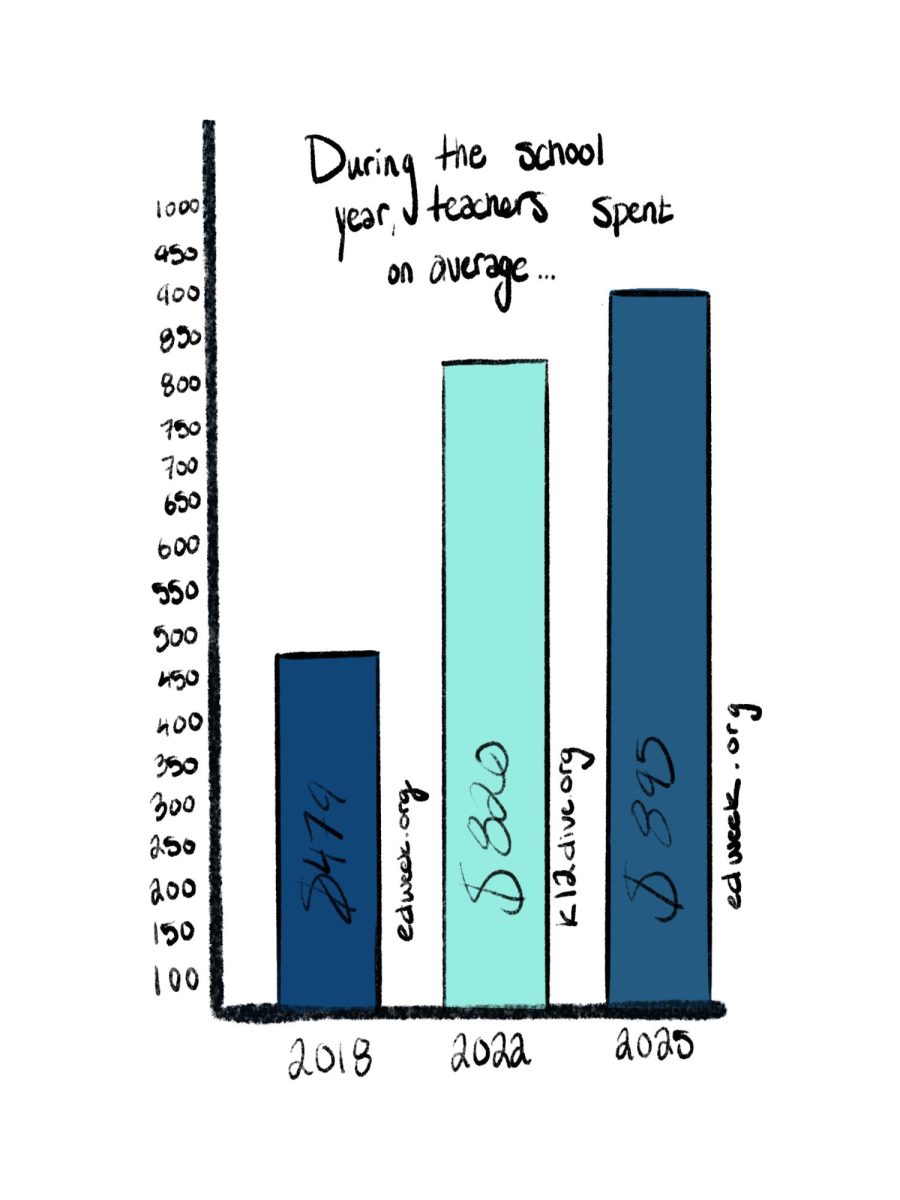
Teachers spent an average of $895 on school supplies during the 2024-2025 school year, according to an Adopt A Classroom survey, which connects teachers with donors. This amount has increased by more than 49% since 2015. Concerns about rising prices due to tariffs have been raised, but some officials noted parents might respond by purchasing fewer supplies than students need.
As tariffs continue to rise, their impact on prices and purchasing decisions will likely remain a key concern for schools, families, and local economies moving forward.