

Over the years, the relationship between celebrities and their fans has had a dramatic change. What once looked like simple admiration has evolved into something much more drastic, especially in the age of social media, where consumers have access to constant online discussions about all of our favorite artists. From award show controversies to artists not reaching expectations, moments involving performers often spark explosive reactions from fans. This raises the question: when does passionate support cross the line into entitlement?
Concerts and live events create an atmosphere where excitement overshadows morals. Some fans may throw objects, rush toward performers or cross boundaries that they otherwise wouldn’t cross. Many artists have been subject to this abuse, from Billie Eilish being grabbed while performing to Drake getting hit with a cellphone during a concert. While most viewers simply want to support their favorite artists, overzealous fans create situations that show how easily admiration can turn into dangerous behavior.
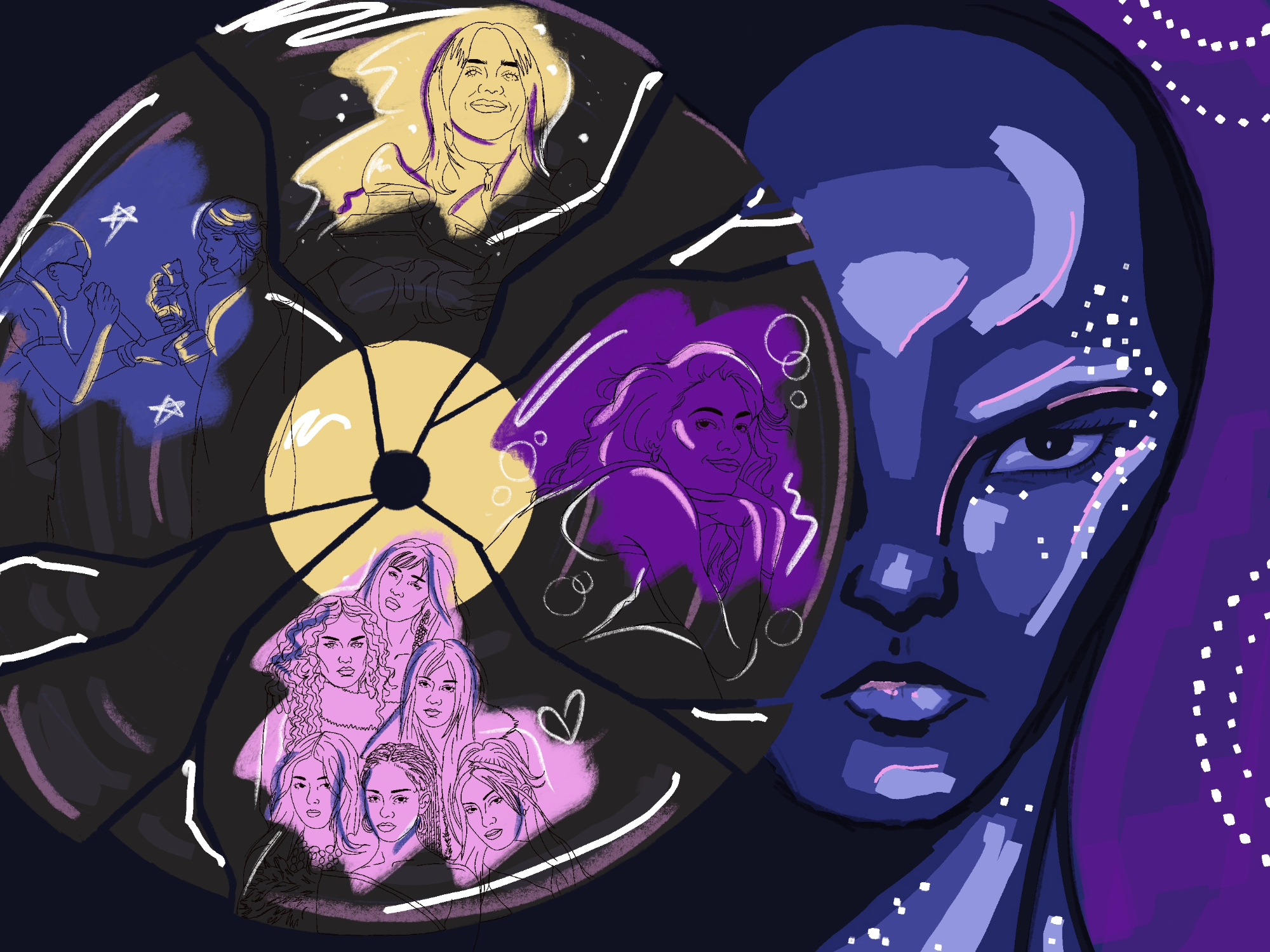
At the 2009 MTV Video Music Awards, Kanye West infamously interrupted 19-year-old Taylor Swift’s acceptance speech for Best Female Video, grabbing her microphone to insist that Beyoncé had “one of the best videos of all time.” This incident both caused widespread outrage and became a defining pop culture moment. When fans see artists that they hold to pedestals like this, it causes them to think that these rude interruptions are okay to do, not morally, but for the publicity. A similar interaction happened at the 2023 Grammys, where Harry Styles won Album of the Year for “Harry’s House” over Beyoncé’s heavily favored “Renaissance.” Audience members proceeded to chant her name and make claims that Styles’ win was undeserved as Beyoncé had the “better album.”
The expectations for artists rise exponentially, fans shoving parasocial ideals onto them, especially newer artists who haven’t had the opportunity to learn how unforgiving the industry is. Olivia Dean, for example, faced backlash following her 2026 Grammy win for Best New Artist due to her emotional speech regarding her immigrant background and her criticism of the recent immigration policies. Some viewers and commentators viewed the comments as polarizing, while others criticized her for being “too perfect.” The global girl group created by Hybe & Geffen Records, KATSEYE, is also facing controversies centered around Manon Bannerman taking a “temporary hiatus.” Fans have accused the label of mistreating and excluding the Swiss-Ghanian member, citing her exclusion from promotional content, and even pointing the blame towards other members in the group.
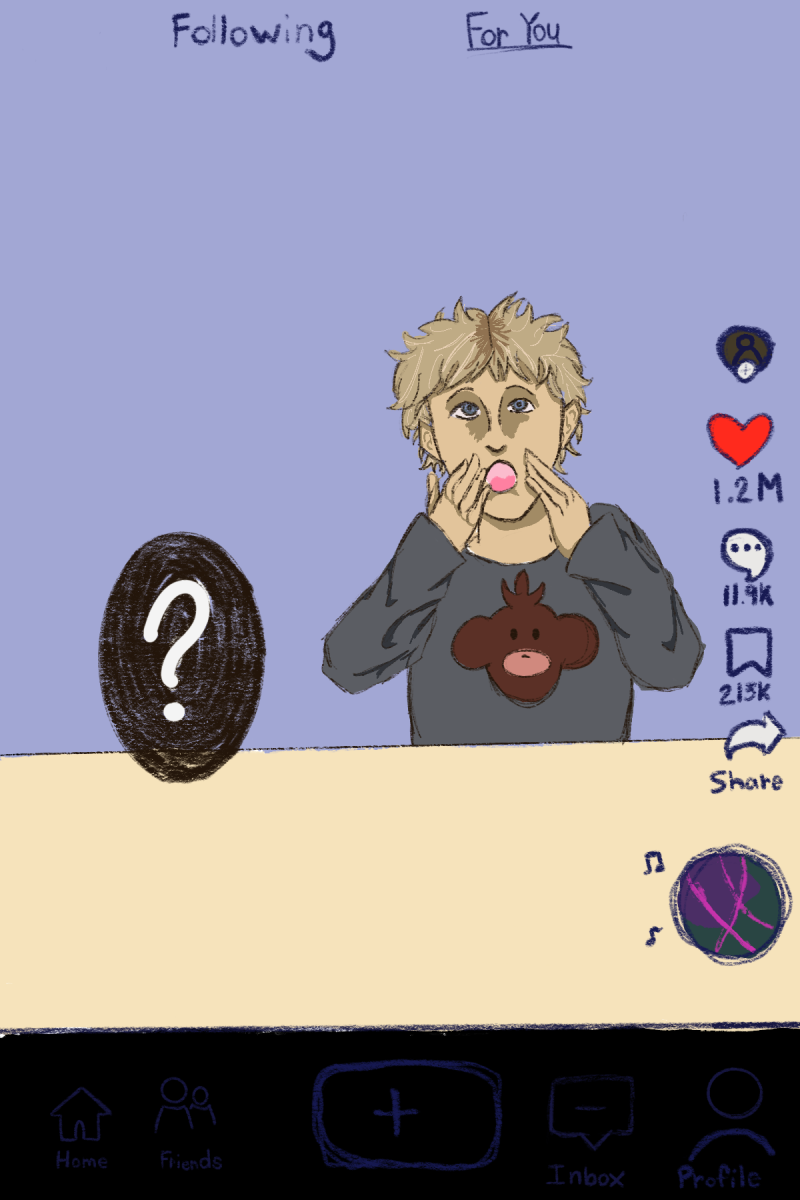
Where the nerve of these fans come from originates from the idea of parasocial relationships. The more that social media produces interviews or other sorts of content, fans begin to feel emotionally connected to the artists and often feel they have a role in their lives, and therefore are entitled to commenting on, criticizing or even interacting physically with the performers. Social media platforms like Twitter (X) and TikTok especially encourage these behaviors. A video of a dangerous fan might go viral, pushing them further into the eyes of the public. This is what they want– they want to be noticed.
These intense reactions from fans highlight how easily admiration can turn into entitlement in the digital age. While social media can allow fans to feel closer to their favorite artists, it also blurs the line between support and abuse over an artist’s choices or career. To keep it short and sweet, fans need to maintain respect for performers as real people, not just idolized public figures, to create healthier fan culture.