
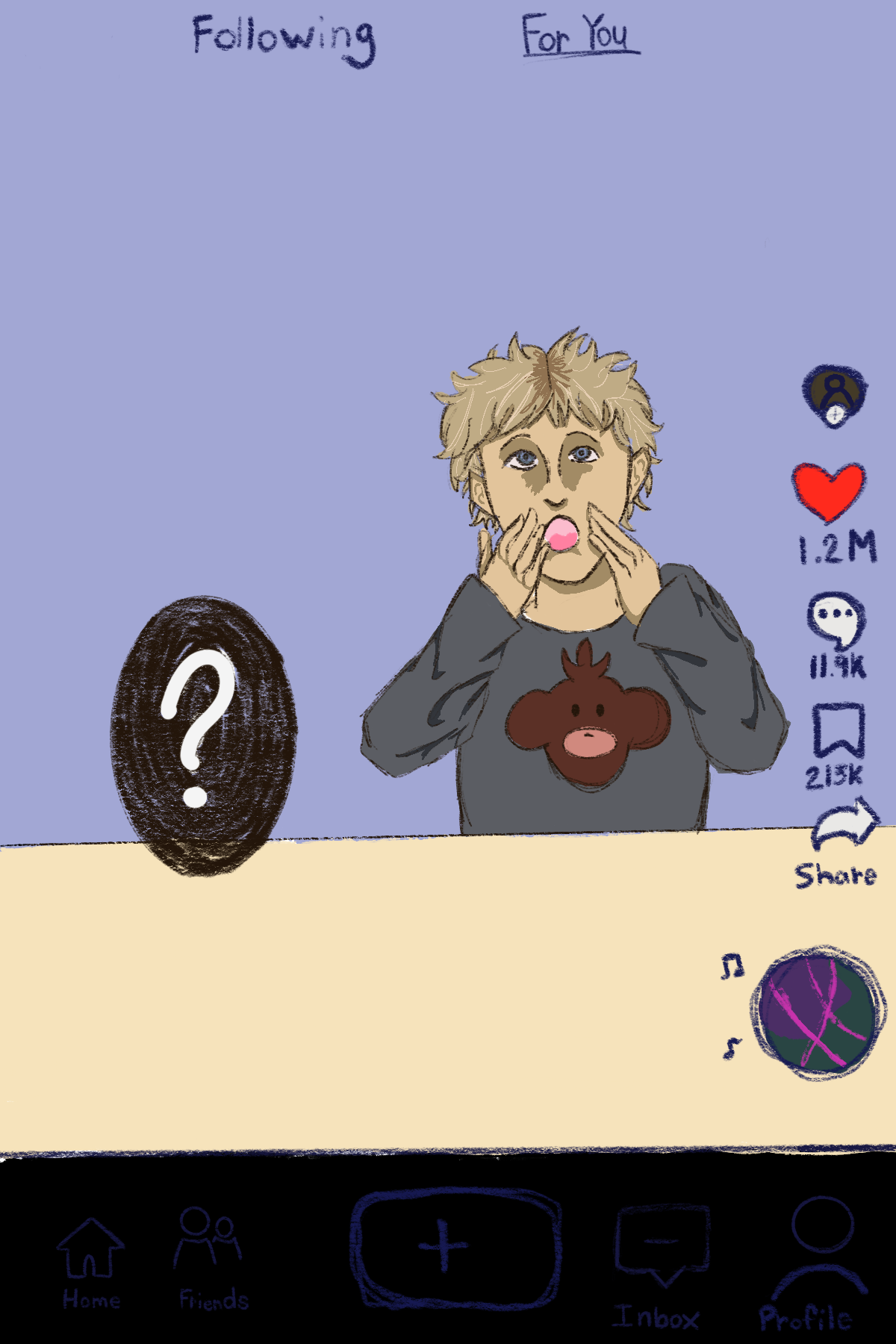
There are many controversies surrounding social media, whether it be censorship, parasocial behaviors or relying on a simulated environment. Online platforms, while they come with a lot of positives, also have a well of negative effects on the human populace– especially when children are involved. Some influencers direct the camera away from themselves, shining the spotlight on their children, some as young as newborn. However, these videos present something else than just days in the life of a child. Posts about children cause many issues regarding the safety, privacy and mental health of a kid.
Junior Karis Packard, a student at Grant, feels that “posting your children is so heavily prevalent with the normalization of technology and social media.” When social media first began gaining popularity, posters found a new way of expressing themselves, ranging from art to vlogs.
“Mommy vloggers” and “family channels” began with honest intentions; wholesome content about the family dynamic, giving viewers insight into their daily lives, mimicking a reality TV show. However, there’s a pattern in what viewers want to see– drama. Many parents now film children breaking down, throwing tantrums or doing embarrassing things, aiming to drive viewers into action. Both positive and negative engagement drives their videos, pushing it further into the algorithm and generating more viewers, so to them, the difference doesn’t matter.
Posting a child’s melt down has only negative effects on the child themself, especially in cases where the child is special needs. It’s important to note that almost, if not all, of these videos are posted without the child’s consent. “If the parent continues to publish videos without the child’s consent, the child may build resentment against the parent,” Kayla Radtke, a special education and social studies teacher, feels that “there may be some type of rebellion that occurs.”
A child learns many things through this treatment. Firstly, their consent can be ignored– when a parent deliberately goes against a “no,” they are actively teaching their children that their word does not matter. “I know if the roles were reversed, and if I asked another not to post a video because it looks irresponsible, or if it looks like I’m unintelligent, I wouldn’t want that to be all over the place,” Radtke continues to say. When the camera’s on, the child knows that their parent is no longer caring or loving, but rather, someone in need of content. When even the most private moments are posted with no regard for a child’s feelings, it can give a sense that the parent simply does not care.