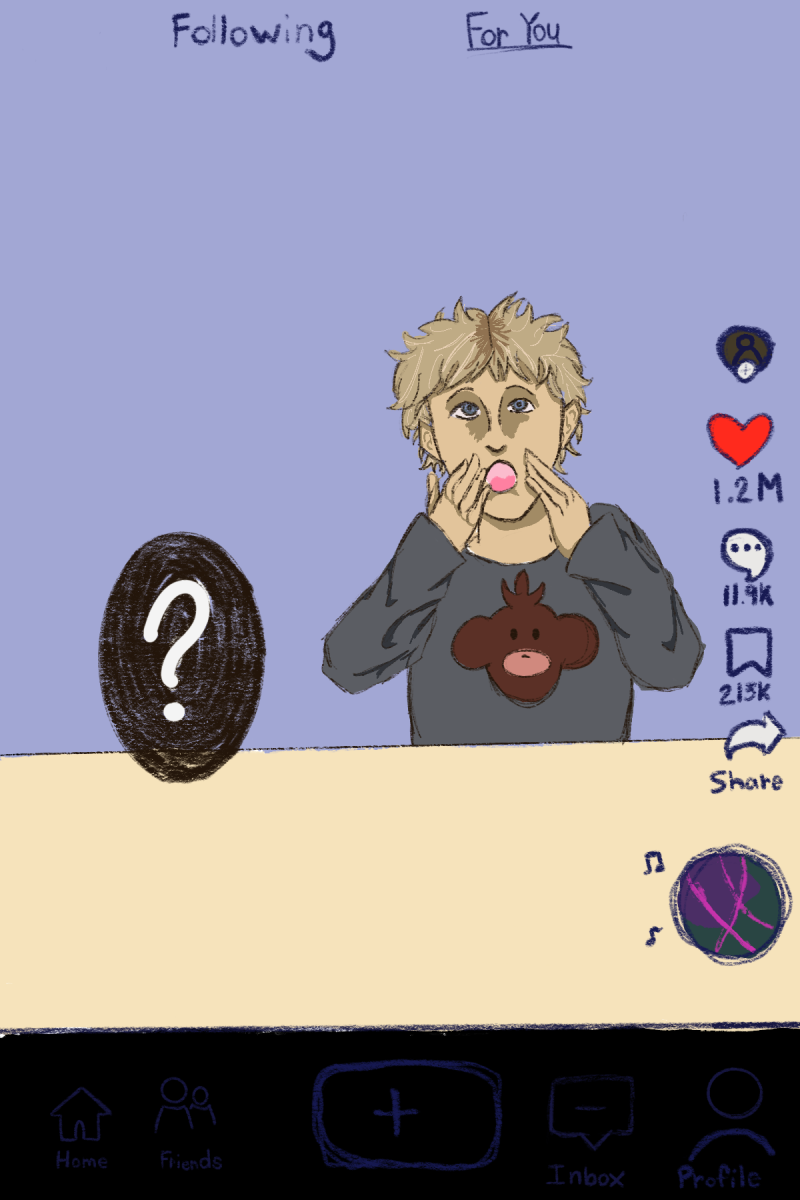






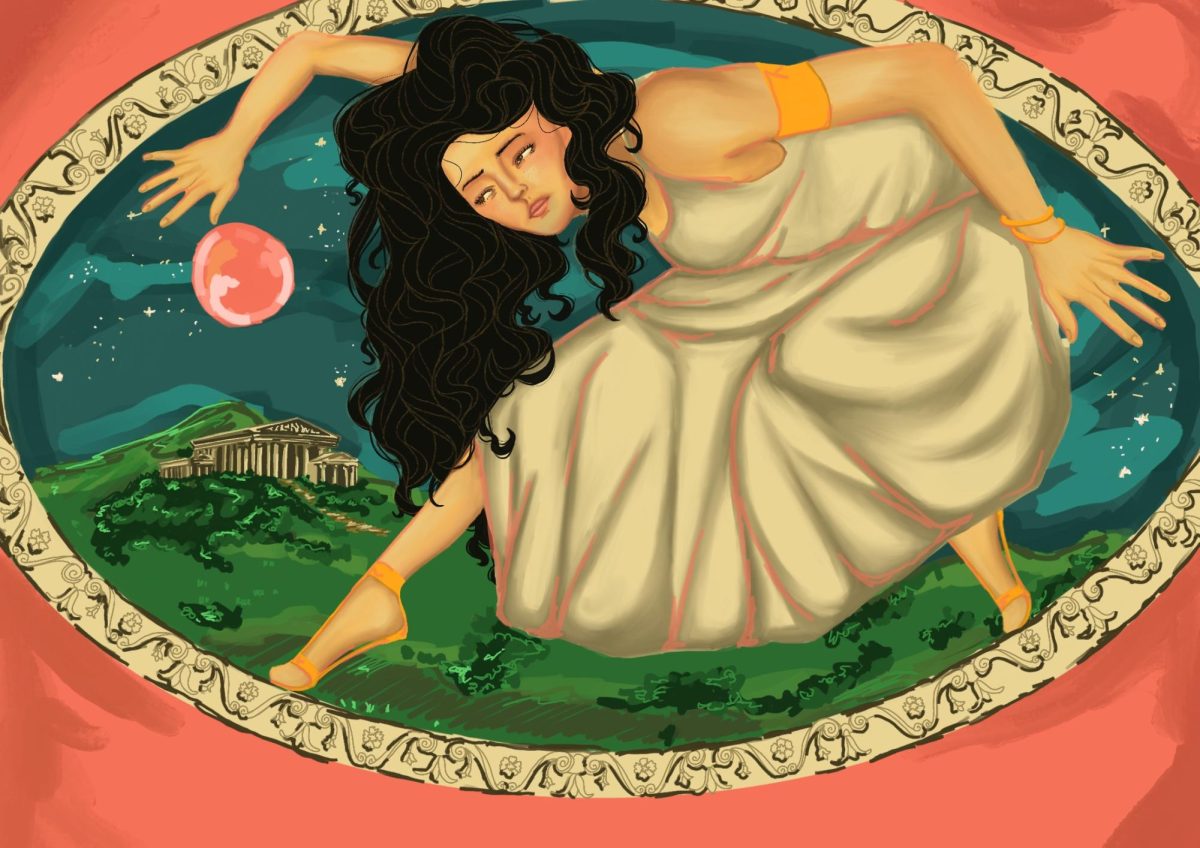
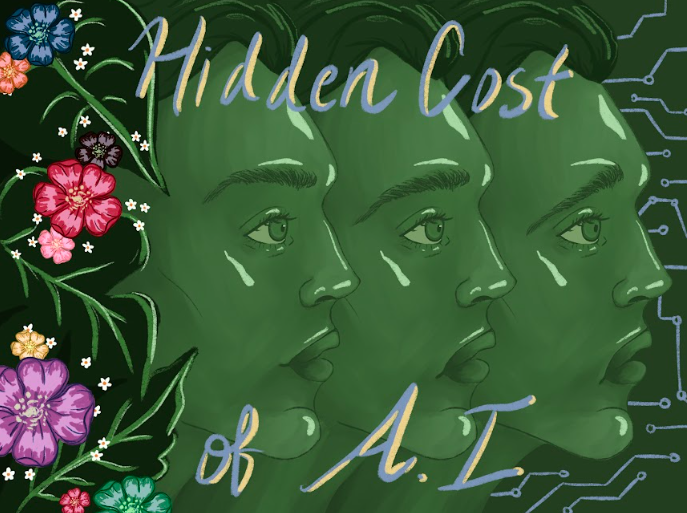

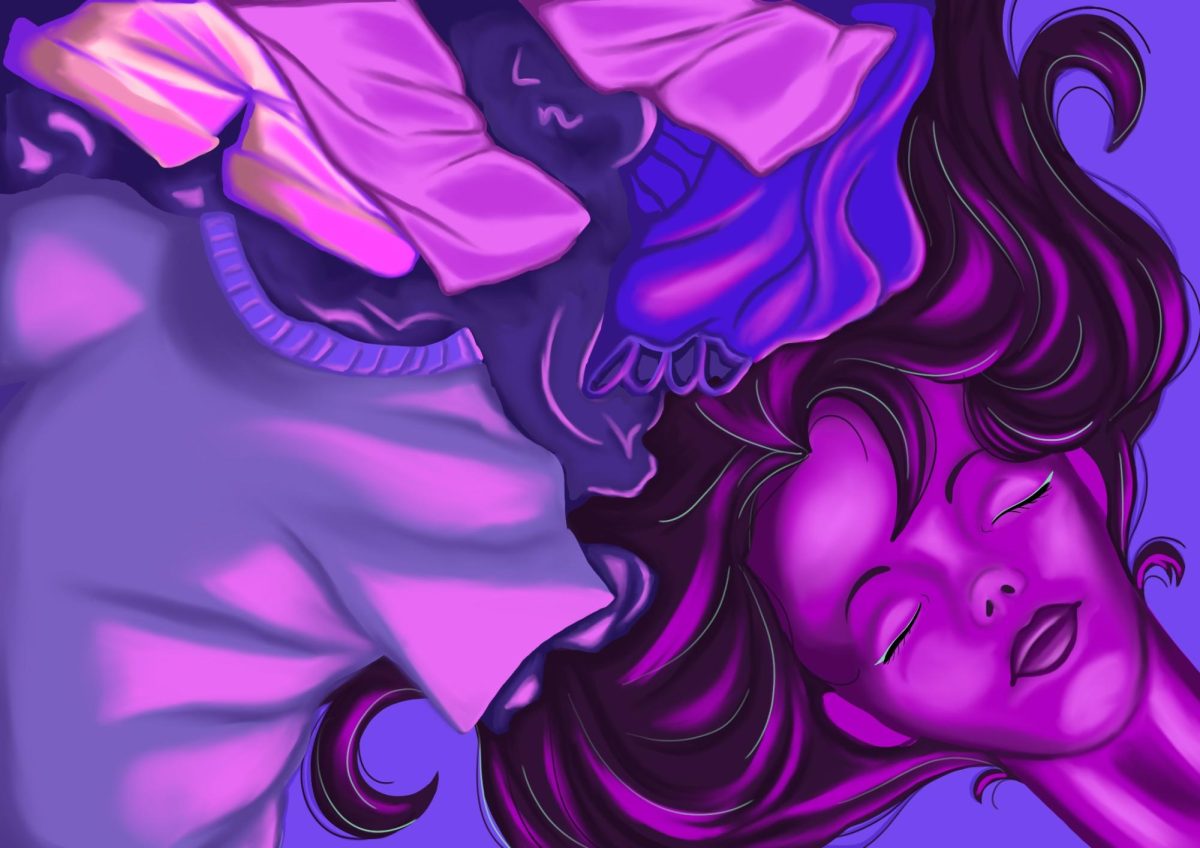
Gen Z seems to be aging faster than past generations. The topic of ageism covers social media, and there’s a long-lasting debate of why younger people tend to look older than their parents. On one hand, there are environmental factors to this fast aging: excessive sun exposure, blue light from electronics and unhealthy diets. While teenagers do spend a lot of time on their devices and eat less-than-desirable snacks, there’s another overarching cause: the pressure to be beautiful.
Younger generations have turned cosmetics into a cultural language. Makeup bags peek out of backpacks, lip gloss is traded like currency and 12-year-olds can explain the difference between cream and powder contour better than most adults.
With a few strokes of contour, blush, or bronzer, users can sharpen a jawline, lift a cheekbone or reshape the entire look of their eyes. The routine is methodical, practiced and almost artistic. For a generation growing up online, the ability to subtly (or not-so-subtly) alter one’s appearance has become second nature. However, what happens when the makeup isn’t cutting it?
More than ever before, individuals as young as 20 see their first signs of aging and rush to salons and plastic surgery offices, hoping to erase any wrinkles they have. Botox is widely preached by influencers on social media and often used by popular actresses to maintain the “perfect face”. It’s not unlikely that older generations would copy, fearing the aging that should be natural and appreciated. They use “baby Botox,” or Botox in small doses, to eliminate small “imperfections” and lines in the face to preserve a youthful glow that they felt makeup couldn’t give them. Even so, as Botox and makeup infiltrated the masses, it trickled down to affect a whole new group: children.
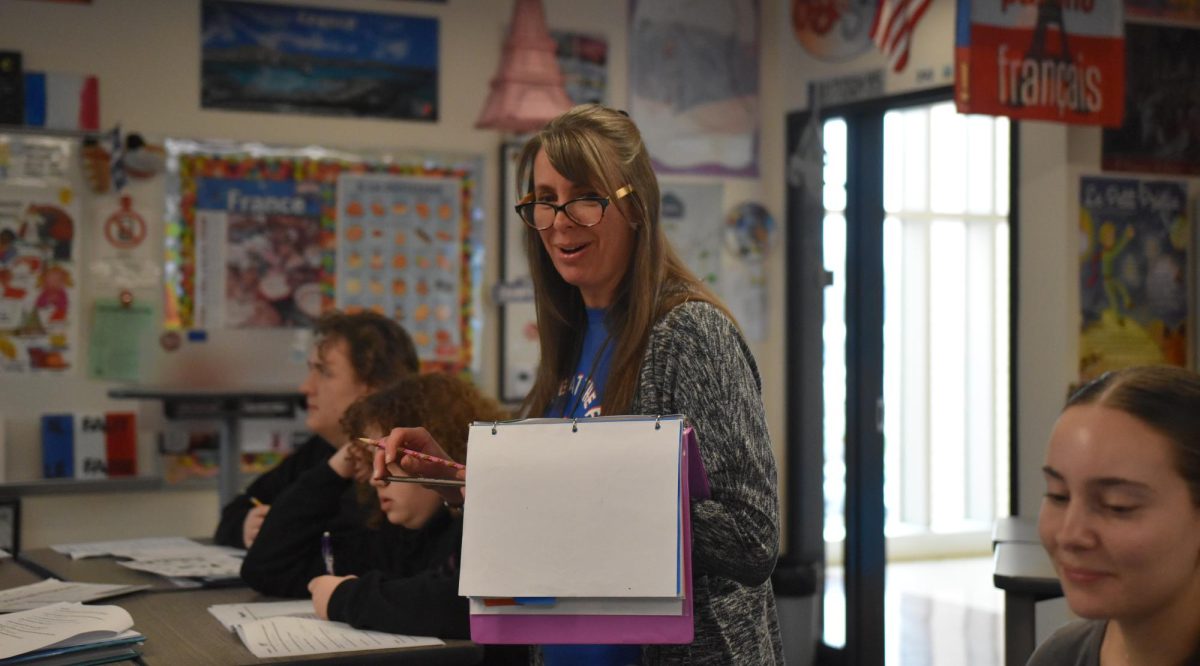
What initially was created to cater to a middle-aged audience has turned into a commercial commodity for young girls. Grant Community High School psychology teacher, Erin Notriano, says that “Young girls are taken to Sephora and Ulta for fun. Makeup is a toy to them.” As the child population in these stores is rising, products made specifically for children are also being put onto the shelves, encouraging these behaviors.
However, there’s a larger question at hand: what started this all in the first place?
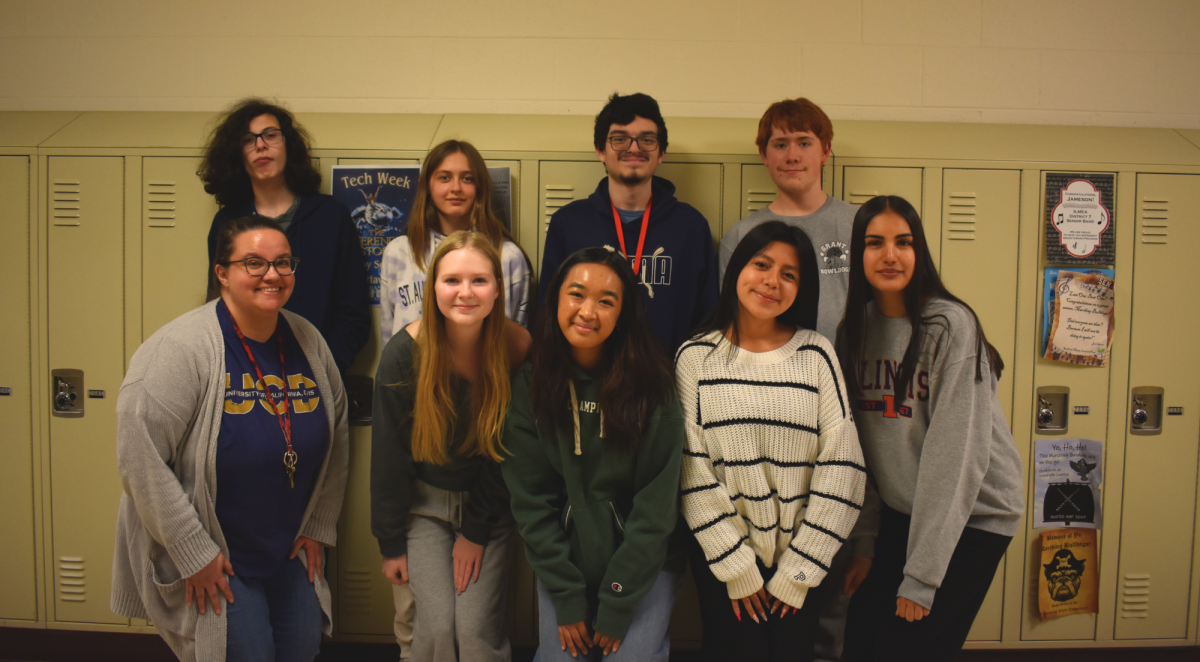
“A big part of this can be outside pressures, especially when we live in a world of influences,” said GCHS junior Wybie Schweiss.
The media is likely the most influential factor for people. Social media pushes beauty content, while TV shows and movies show highly edited actors and actresses. The models in advertisements are held to a strict standard, and many animations use the most “attractive” body type to hopefully pull in views. Gen Z was the generation seeing this all the most, however, millennials and Gen Xers still watched their morning cartoons.
Older generations continue to push the need for makeup and cosmetic procedures onto children, creating the unfortunately accurate stereotype of children taking over Sephora. However, if the media is the main cause of these insecurities, how can it be stopped? While it’s not an immediate fix, adding more diversity in advertisements and TV shows will help significantly, instead of sticking to one body type. It’s impossible to eradicate the issue completely; however, we can ensure children aren’t obsessed with what they see in the mirror.