

Open almost any social media platform, and within seconds, you will find hundreds of opinions. Politics, culture, news and even personal relationships are constantly debated online; yet, as soon as people scroll through endless commentary, an important question arises: are we still even forming our own opinions, or simply adopting the ones we see the most often?
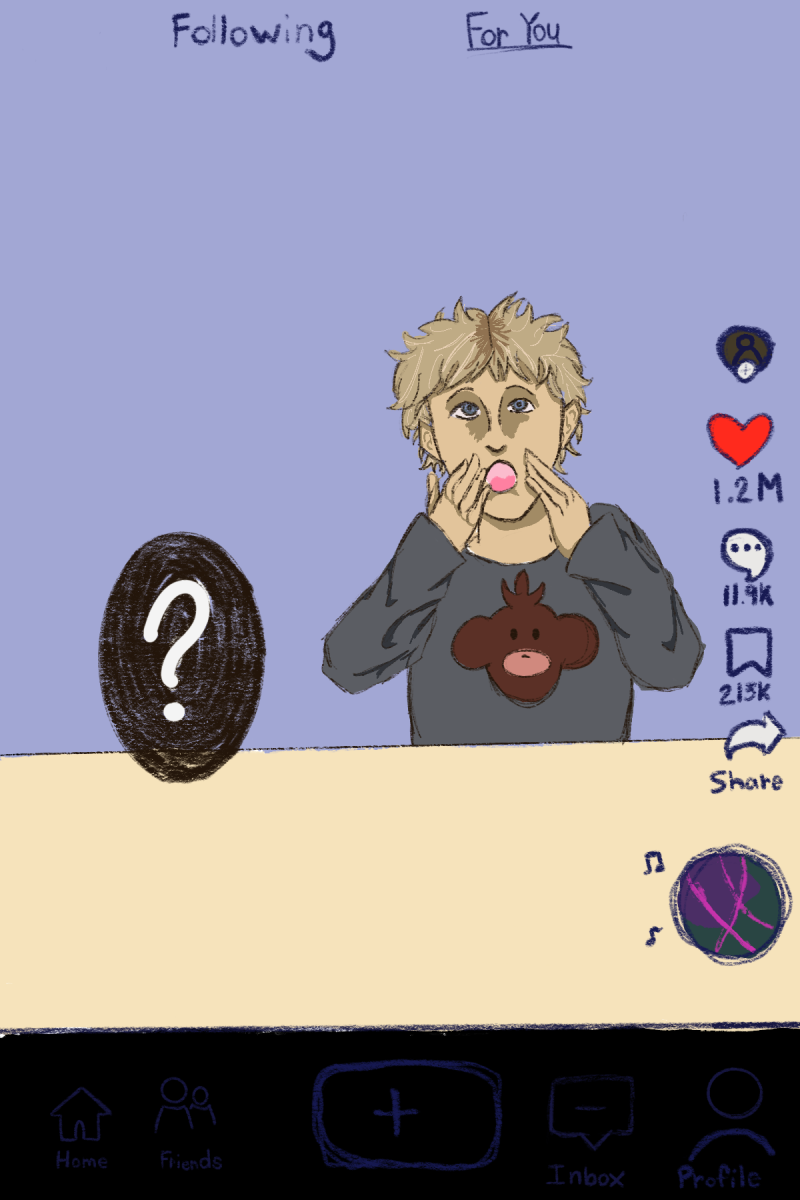
Many educators and researchers worry that constant exposure to online commentary is weakening society’s ability to think critically. Instead of analyzing information, questioning sources or considering multiple viewpoints, users often accept ideas at face value. Online environments, such as TikTok make it easy to repeat the opinions of others without fully understanding the topic at hand. Over time, this habit can reduce comprehension skills and lessen independent thinking.
Psychologists have identified several ways the internet changes how people interact and communicate. Known as dissociative anonymity, the feeling that online actions are disconnected from real-world consequences. When people do not see the faces or reactions of those they interact with, conversations can feel less serious and more peripheral. Another effect is called solipsistic introjection, where society communicating online does not feel entirely real to us. Because of this distance, people may feel more comfortable repeating ideas they have heard instead of engaging in thoughtful discussions. This also ties into the phenomenon of the online disinhibition effect, which refers to the loosening of social restrictions and restraints when interacting in cyberspace, causing people to act or disclose more freely than in person.
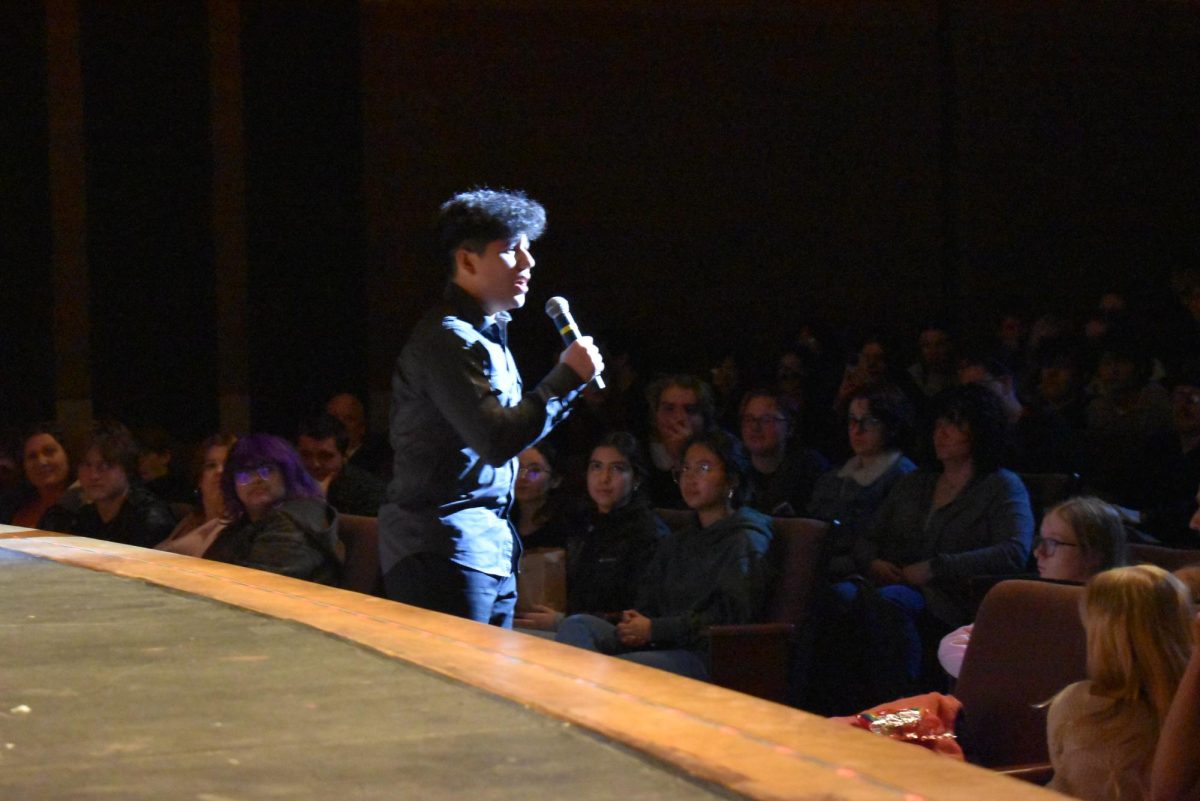
“The anonymity of the internet lets people be the worst, most filterless versions of themselves. They feel entitled to attack anyone they disagree with,” explains GCHS librarian Carrie Stump.
This phenomenon can appear in both harmless and harmful ways. On the benign side, it may look like oversharing personal information or placing too much trust in online spaces. On the more toxic end, it can lead to behaviors such as cyberbullying, the normalization of hostile language, and exposing others to inappropriate content or websites.
These online habits can have noticeable short-term effects as well. Social media encourages quick reactions rather than careful reflection. Articles are shared without being fully read, arguments happen without a clear understanding of the topic and misinformation spreads rapidly.
“Even just communication in general is something we’re still recovering from in a post‑pandemic world. Silence feels awkward now, but those quiet moments are where we actually process what someone said,” says Grant librarian Carrie Stump.
When opinions are formed in seconds rather than through research and reflection, discussions become more about reacting than understanding.
The effects of this shift extend beyond individual thinking and begin to shape society as a whole. When people grow used to reacting instead of reflecting, serious issues become reduced to trends, jokes or fleeting outrage. Harmful ideas, such as racism, ableism or homophobia, are often repeated casually online, sometimes disguised as humor, which leads to their normalization. Because users feel distanced from real-world consequences, they may not fully recognize the impact of their words. This creates an environment where harmful behavior is not only tolerated but, in some cases, encouraged. As a result, online spaces foster apathy, where people become less willing to challenge harmful ideas or engage in meaningful conversations.
While the internet has made information more accessible than ever, it has also made it easier to disengage from critical thinking. If society continues to prioritize speed over understanding, the ability to question, analyze and form independent opinions may continue to decline. Likewise, empathy may steadily deteriorate. However, this outcome is not inevitable. By slowing down, verifying information and engaging thoughtfully with others, people push back against these societal patterns. In a world filled with constant noise, choosing to think is not just important, but necessary.