














Social media has many annoying qualities: relentless ads, trolls in comment sections, unrealistic photos, and AI slop. Yet, for some people, the worst one is rage bait. In recent years, rage bait’s social media presence has risen significantly. The “official” definition of rage bait, according to Merriam-Webster Dictionary, is content that intentionally tries to provoke anger or outrage as a way to get attention or make money.
Rage bait posts online can range from an eye-catching statement to a video or image that triggers a negative response. These posts are usually accompanied with a war zone-like comment section flooded with arguing and harsh words.
Whether it’s an opinion on a movie, manipulative political posts, general misinformation or controversial statements, rage bait is everywhere. While many rage baiters claim it’s a harmless act, how far is too far?
“There’s a difference between rage bait and anything going over that…I feel like that’s just harassment,” stated senior Michael Shuhua.
While it certainly guarantees an engaging post, sometimes even a viral one, it creates toxic interactions that thrive on irritation and fury. It causes one to wonder why this type of content is even made at all.
The simple answer? Attention, views, likes, comments, shares and potential monetary gain.
What content creators conveniently forget about is that rage baiting is dangerous and could have real life consequences. In some instances, people would be victims of doxxing and a range of serious threats. Current examples would be the doxxing of ICE officials, journalists for reporting certain news, pro/antis of the ongoing Gaza war and federal government employees. This problem even impacts our right of freedom of speech as people are becoming afraid to say what they think.
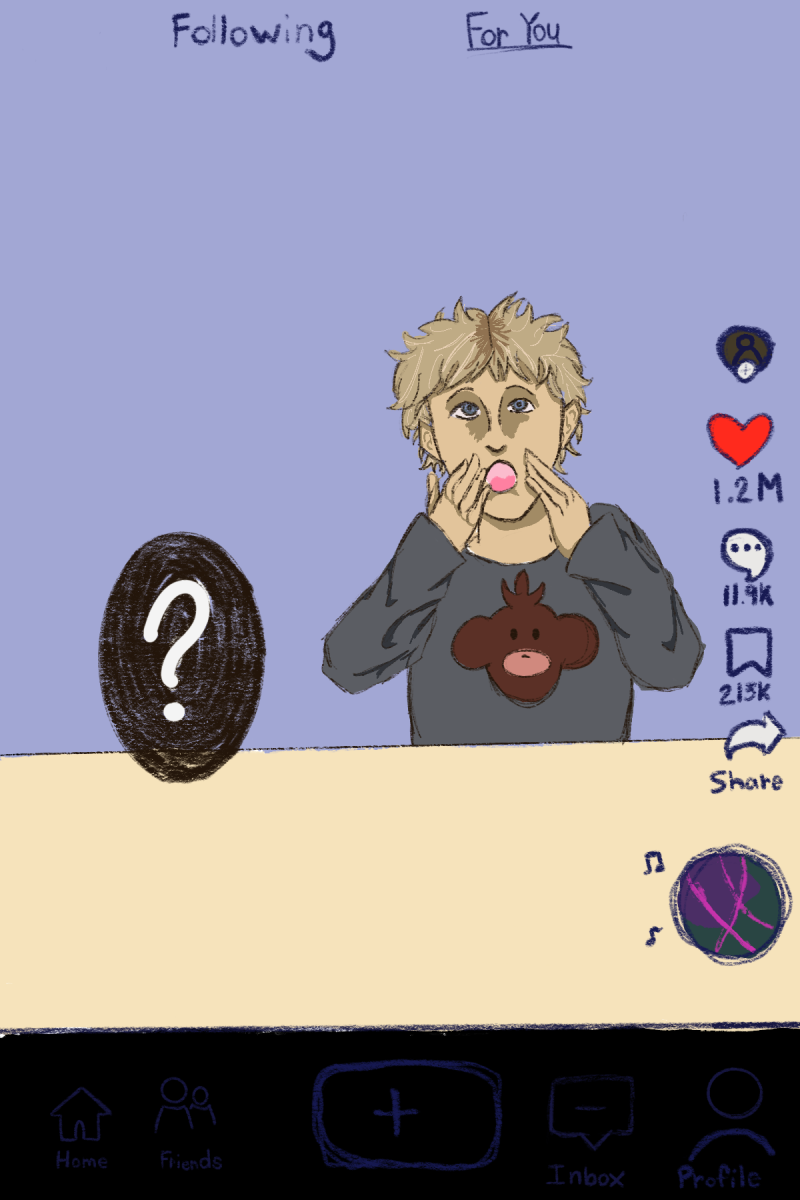
Yet, people forget that what drives this type of content is likes and attention – it’s what tells the algorithm that the user “likes” this content. It’s an echo chamber that feeds users what they want and disregards the rest. Therefore, it shows up on a person’s feed more since they “like” it. The popularity of these videos influences more creators to make rage bait videos since they see how many likes they get, how much money certain creators make off of this. This plays a big role in what people see when they go on social media. It doesn’t even have to be rage bait, most influencers will follow the money trail and post what will make their bank account go up. Since rage bait is all about gaining significant views, in order to achieve this goal influencers can spread misinformation. Due to the use of misinformation as a way to rage bait, it causes further deterioration of public trust on social media.
Rage bait, like most things, is a complicated issue that has no clear-cut answer or solution that pleases everyone. So, for now, it’s all in the hands of the people and the actions they take on the internet, whether it’s thinking before they post or hitting the block button for your own peace of mind. To minimize the risk of getting rage baited one can take a break from the internet, avoid liking or sharing, recognize that’s the emotion they want, take a deep breath, and move on.