














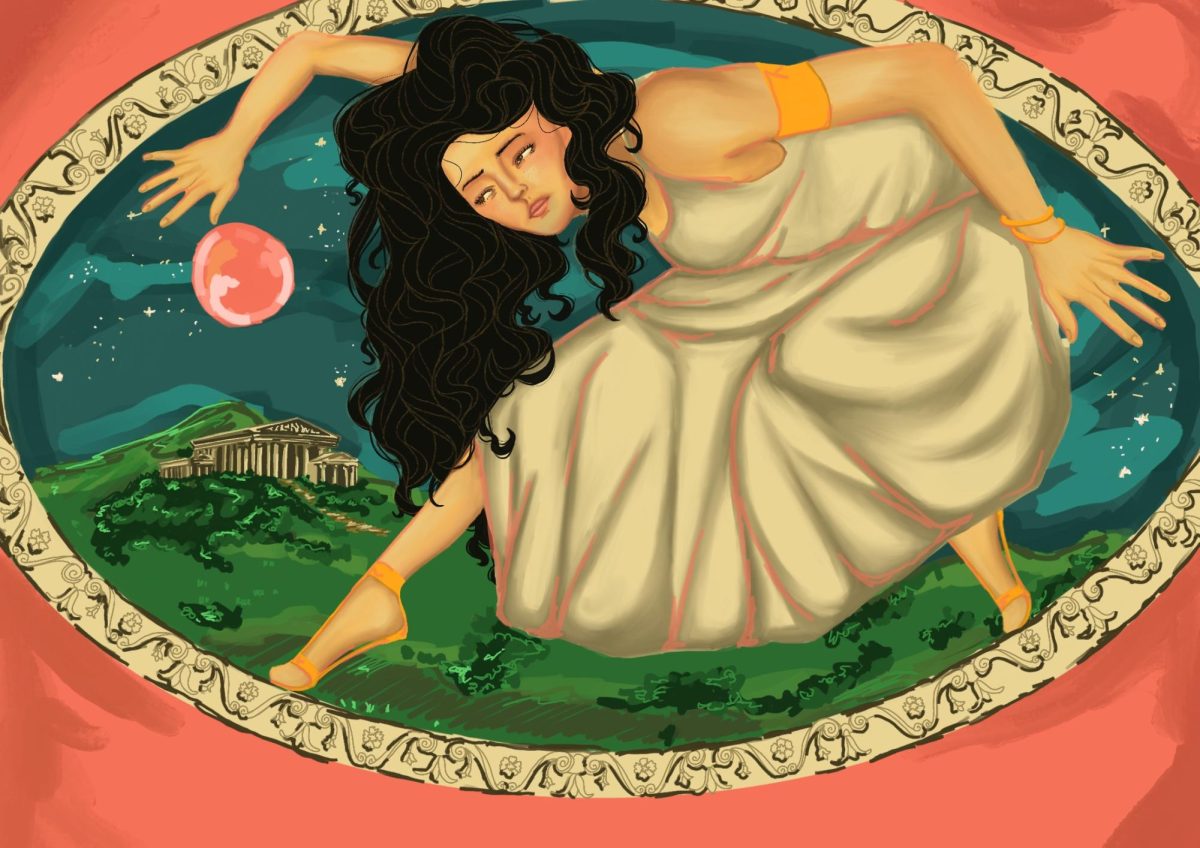



Walk through any store and you’ll notice a pattern hiding in plain sight: products marketed toward women often cost more than nearly identical items for men. Most people don’t think twice when they grab bathroom essentials, like deodorant, body wash or razors off the shelf, but once you really start looking at the prices, it’s hard to ignore. This is called the pink tax, which is essentially the extra money women are expected to pay for everyday items. It can be frustrating to realize that something as basic as taking care of themselves comes with a higher price tag just because of their gender.
This isn’t just a matter of money or financial problems; it’s gender inequality. While men’s deodorant at stores range from $4-10, women’s range from $7-16. This doesn’t affect just gender marketed products, but feminine hygiene products as well. Essential sanitary products like tampons and pads range from $9-15, which to some seems irrational, considering that it’s a necessity for women and girls alike.
On top of the expensive price tags, the products have also been found to be toxic. According to the National Institute of Health, Always pads and tampons were found to give users contact dermatitis and vulvar irritations. There has also been a population of women online complaining about mold found in their products, and even testing for acetone in the products came back positive. This leads back into the discoveries of irritations and also brings up another high risk factor; potential long-term organ damage.
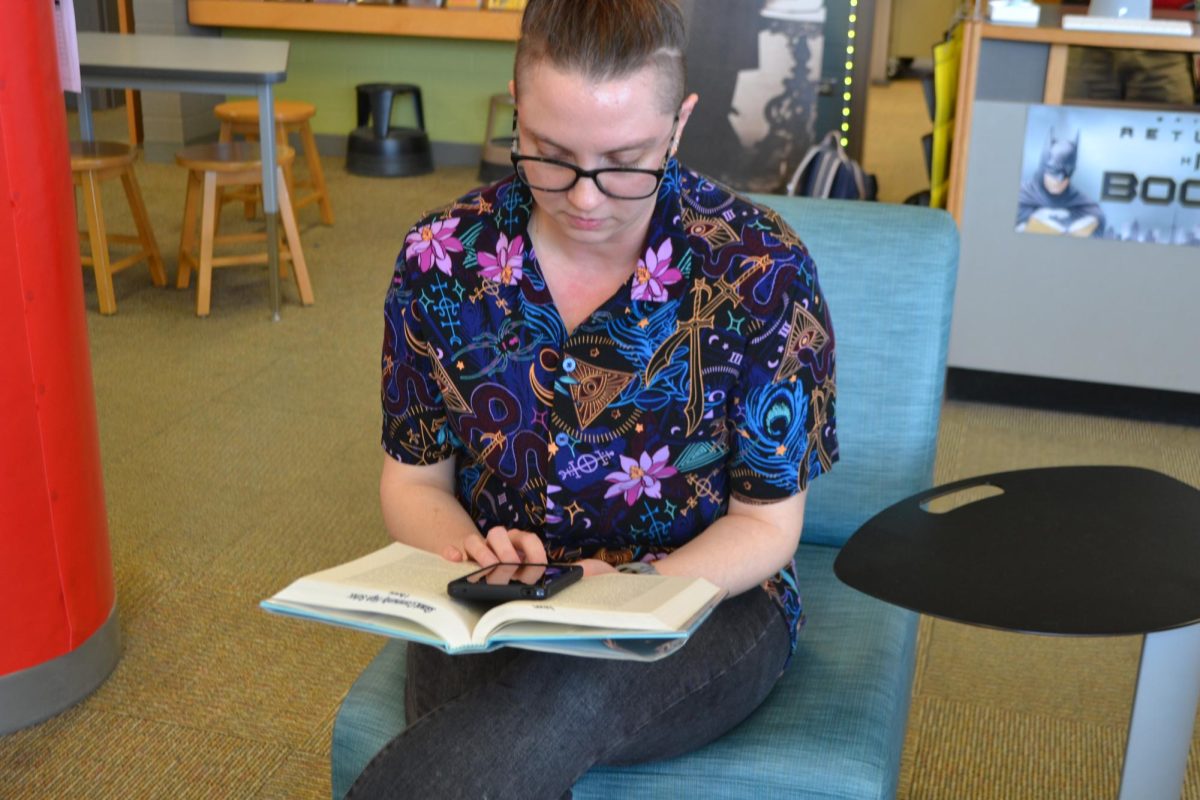
Grant Community High School English teacher and mother of three daughters, Nicole Frett, said it’s often “easy to take advantage [of women],” adding that “women in society just pay for it, because you don’t have the choice.”
Frett feels that part of that imbalance stems from expectations placed on women. “I think some of it sounded like society’s expectations of how women should look, how women should act, that we fall victim to these outdated traditions,” she said. She also emphasized the need for increased access to feminine hygiene products, saying they should be free or at least tax-free. Frett said she’s encouraged by seeing pads and tampons becoming more available in schools, calling it a positive shift. Frett added that the pink tax and the gender pay gap are closely connected. “You still see where women are often not paid [equally] to men,” she said. “You already have this gap in pay, and then this pink tax on top of it. So it doubles over time. That’s an obvious financial impact on women.”
The pink tax doesn’t just affect individual women; it affects entire families, households and communities. When teachers, students and schools join the conversation and push for accessible, safe and affordable products, it shows that we’re not powerless. Even though the pink tax feels unfair and frustrating, knowing about it gives our generation the power to push for better. Exposing these inequalities, demanding transparency from companies and supporting legislation for fair pricing are crucial steps forward. The more informed we are, the harder it becomes for this unfair system to stay hidden. After all, change starts with people who are willing to call out what’s wrong.