



















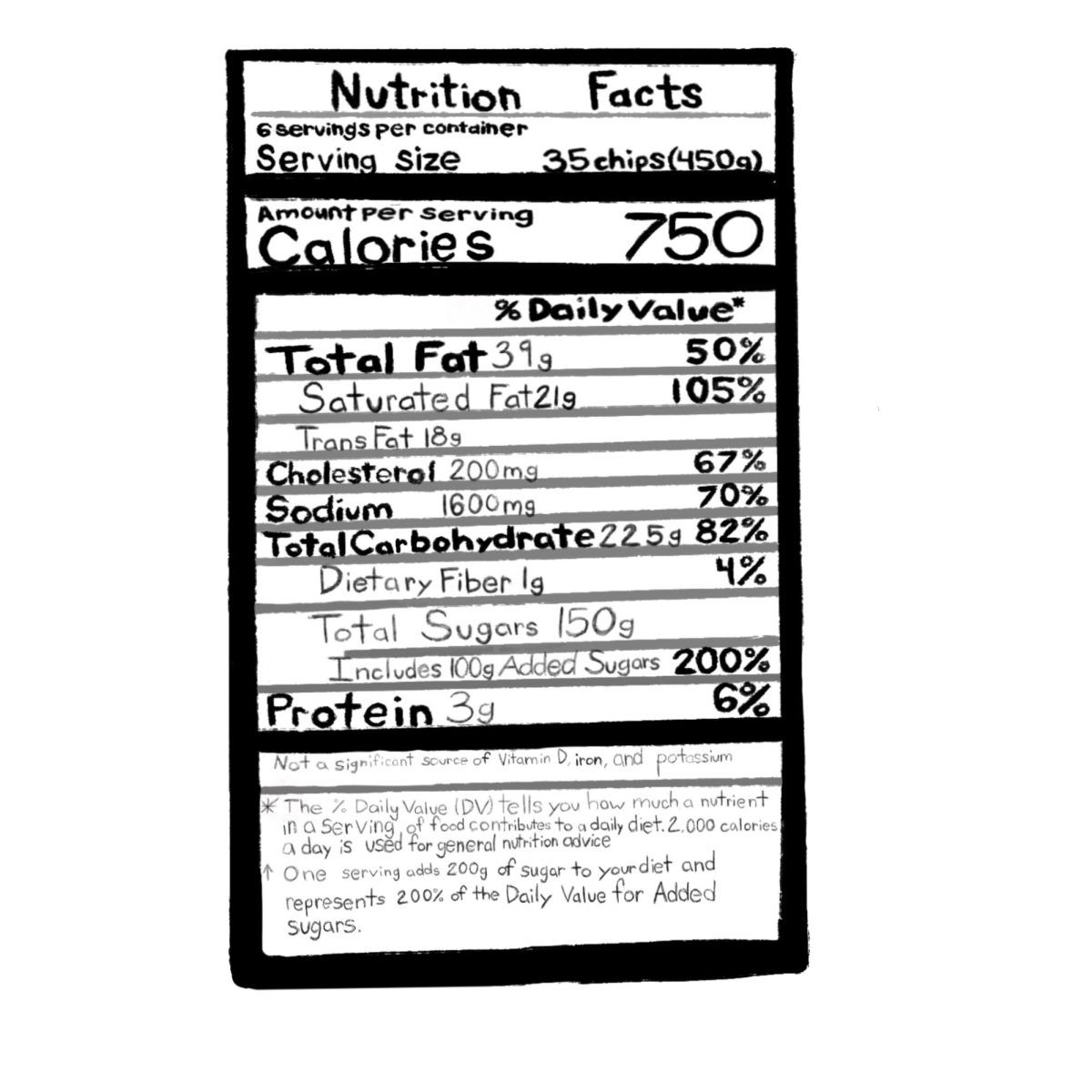
Over the past several decades, portion sizes in the US have grown dramatically over the past several decades. Most Americans live a stationary life, spending long hours sitting at desks, in cars, or in front of screens, because of this, nearly 1 in 3 American adults (30.7%) are overweight, more than 2 in 5 adults (42.4%) have obesity, and about 1 in 11 adults (9.2%) have severe obesity (National Institute of Health). Even though we burn less energy than before, the amount of food we’re told to eat keeps going up, playing a significant role in the widespread weight gain and poor metabolic health.
Restaurants and food manufacturers often market oversized portions as better value, normalizing meal sizes that far exceeds what the average person needs, especially one who is not physically active for the majority of the day, resulting in a society where people consume more calories than they burn.
Not only is the issue how much food is consumed, but also the quality. Many popular American foods are high in refined carbohydrates, added sugars and unhealthy fats, while being low in protein and fiber. These foods provide large amounts of energy with very little nutritional payoff, commonly referred to as empty calories.
The FDA states “Daily nutritional needs for adults include ~50g protein.” Protein is essential for feeling full and satisfied after meals. It helps regulate hunger hormones and support muscle maintenance. Unfortunately, many meals and snacks in the US are centered around carbohydrates and added sugars with minimal protein or fiber, leading to rapid spikes and crashes in blood sugar, “When I eat those really sweet snacks, my sugar spikes which is terrible with my diabetes” homeschooled 16 year old Noah Machleit says. Machleit has diabetes and has to watch what he eats. Machleit even goes on to say “Sometimes I don’t care if it hurts me, it tastes good.” Machleit’s favorite food is twinkies, well knowing how many he should have, he usually eats more causing his body to overload on sugar.
Most overweight people don’t realize why they are. When foods have addicting additives, you are more likely to indulge. Approximately 60% of packaged foods purchased by Americans contain technical additives, such as colorings, flavor enhancers, preservatives, and sweeteners, which are often used in hyper-palatable, ultra-processed foods.
Portion sizes continue to grow, but this isn’t about laziness or a lack of self-control—it’s a system designed to overfeed an undernourished population. Cheap, ultra-processed foods and additives engineered to keep us craving more are stacking the odds against our health. By rejecting the normalization of unhealthy ingredients and prioritizing proper nutrition, we can begin to tip the scales toward a healthier future.