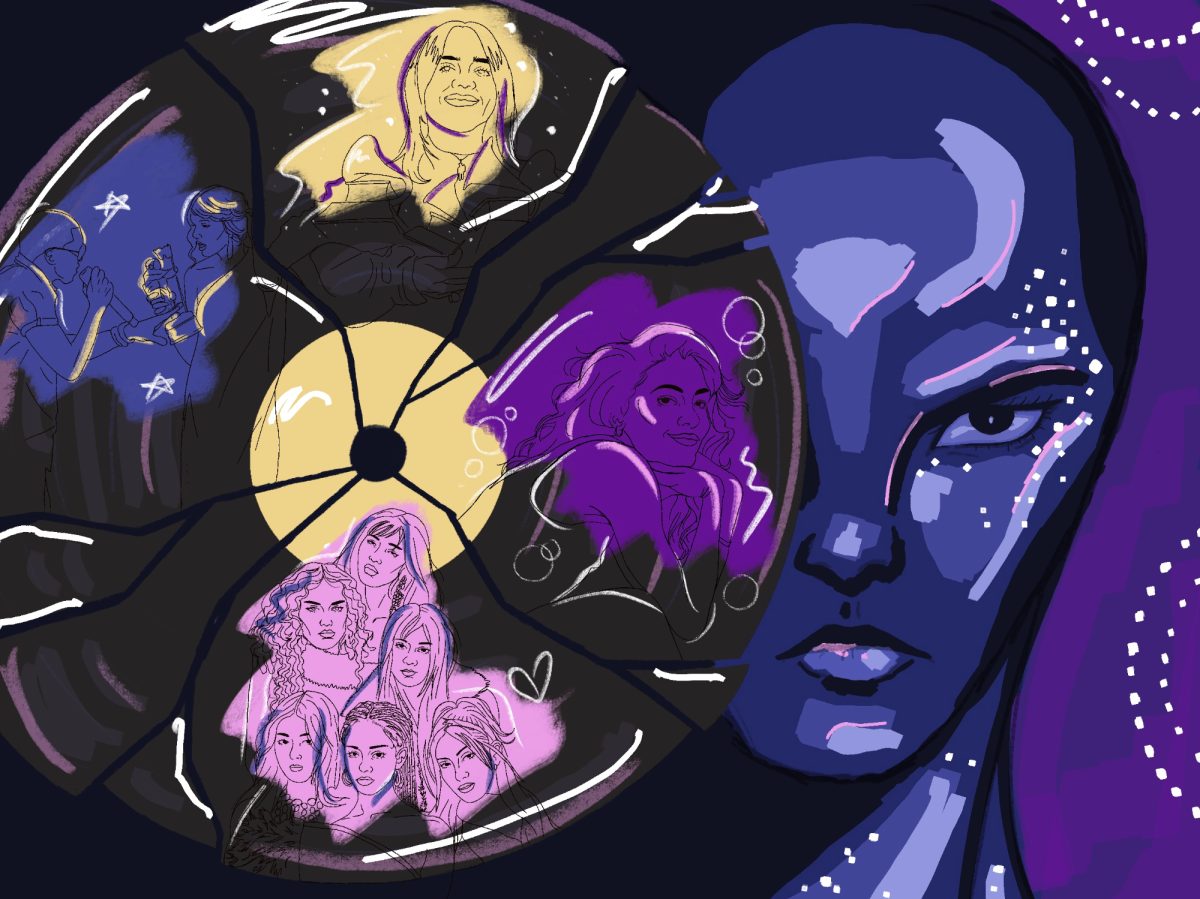

The Chainsmokers and Zara Larsson are back in the algorithm. Instagram stories flood with throwbacks: heavy eyeliner, matte lips, the Snapchat dog filter reborn as irony. Skinny jeans hug again, flannels hang loose and chokers circle necks like nothing ever changed. Sound familiar?
For many, 2016 represented a time that felt lighter and more fun. It was the era of Vine at its peak, early Instagram, where posts were casual instead of curated and fandom culture thrived on Tumblr and Twitter. Fashion trends included bomber jackets, Kylie Jenner Lipkits and the hipster aesthetic. Pop music was everywhere, with feel-good hits playing on loop on the radio. Even for those who were younger during the time, the mood still lingers all over social media today, making people reminisce about the time.
While the return of 2016 trends may seem like nothing more than internet-driven nostalgia, the reasons people are drawn back to this era run deeper than fashion or social media aesthetics. This collective longing reflects an emotional response to the present, where revisiting the past offers a sense of comfort and familiarity.
According to psychologists, nostalgia tends to hit hardest when people are stressed or anxious. Clay Routledge, an existential psychologist, explains that nostalgia is often triggered by negative emotions like loneliness or stress and helps people feel comforted and connected. When the present feels overwhelming, looking back feels safe.
“We were way younger… We didn’t have a care in the world,” said GCHS senior Alyssa Siong. “That’s the time when we were probably the most happy.”
“2026 is the new 2016” is more than just fashion and music. It’s a vibe. Visually, 2016 is associated with bright colors, messy creativity and personality incorporated into design. Online spaces felt more social and less corporate, and trends were driven by people rather than algorithms.
A major reason this nostalgia feels so intense now is post-pandemic fatigue. For many teens and young adults, the years from 2020 to 2022 felt like they didn’t count. Milestones were missed, routines disappeared and social life shrank. Compared to that distortion, 2016 is remembered as a time when life felt more stable, even if this memory is selective. Nostalgia becomes a way of grieving what was lost and imagining what a normal life used to feel like.
According to art teacher Aubrey Wray, who was a teen in 2016, internet and news overconsumption is to blame.
“We live in a world right now where you’re constantly aware. It can be really overwhelming,” said Wray. “People are missing not having to confront that 24/7.”
Design trends play an immense role in the comeback of 2016 as well. Many have grown tired of the minimal, beige, corporate aesthetics that dominate everything from apps to clothing brands. Future Commerce describes the shift perfectly: “Across the board, we think it means one thing: people are embracing their inner weirdo again.” After years of being told to embrace minimalism, people are craving times of genuineness again.
The 2016 comeback says less about the past and more about the present. It reflects a generation that is tired, overwhelmed and looking for something that feels authentically human once more.