
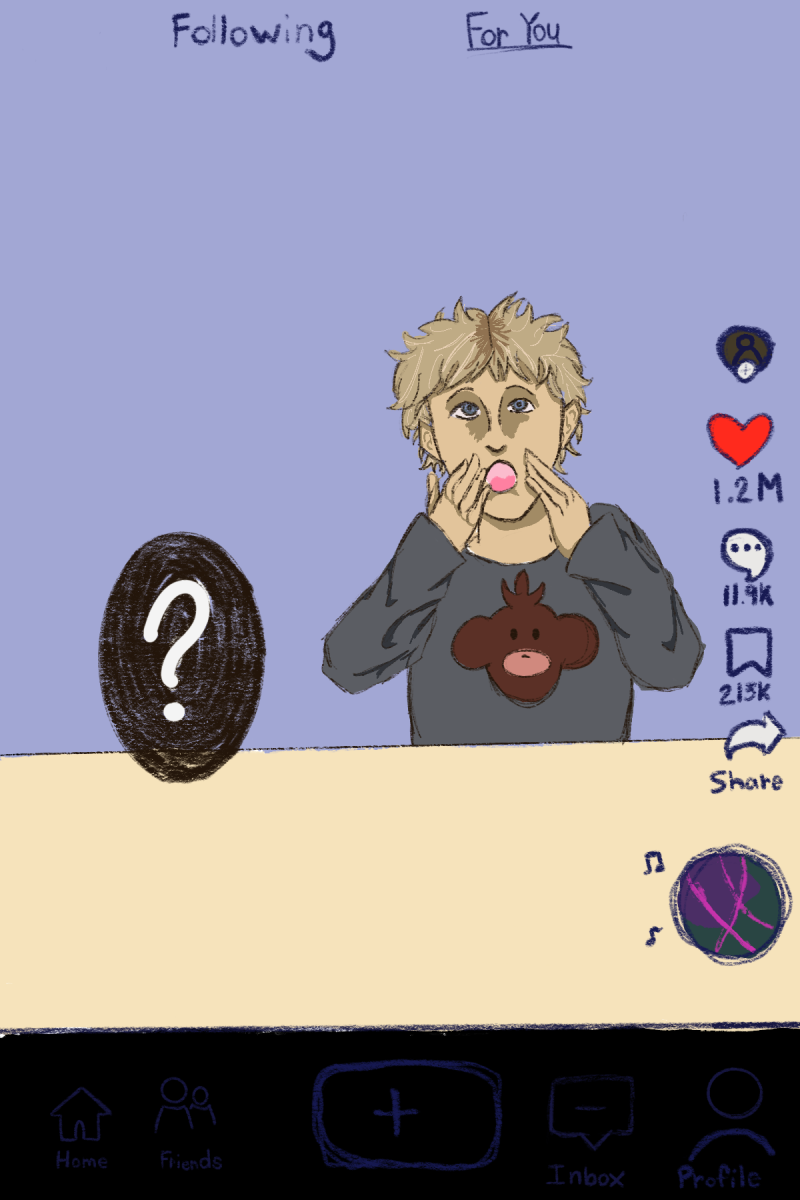











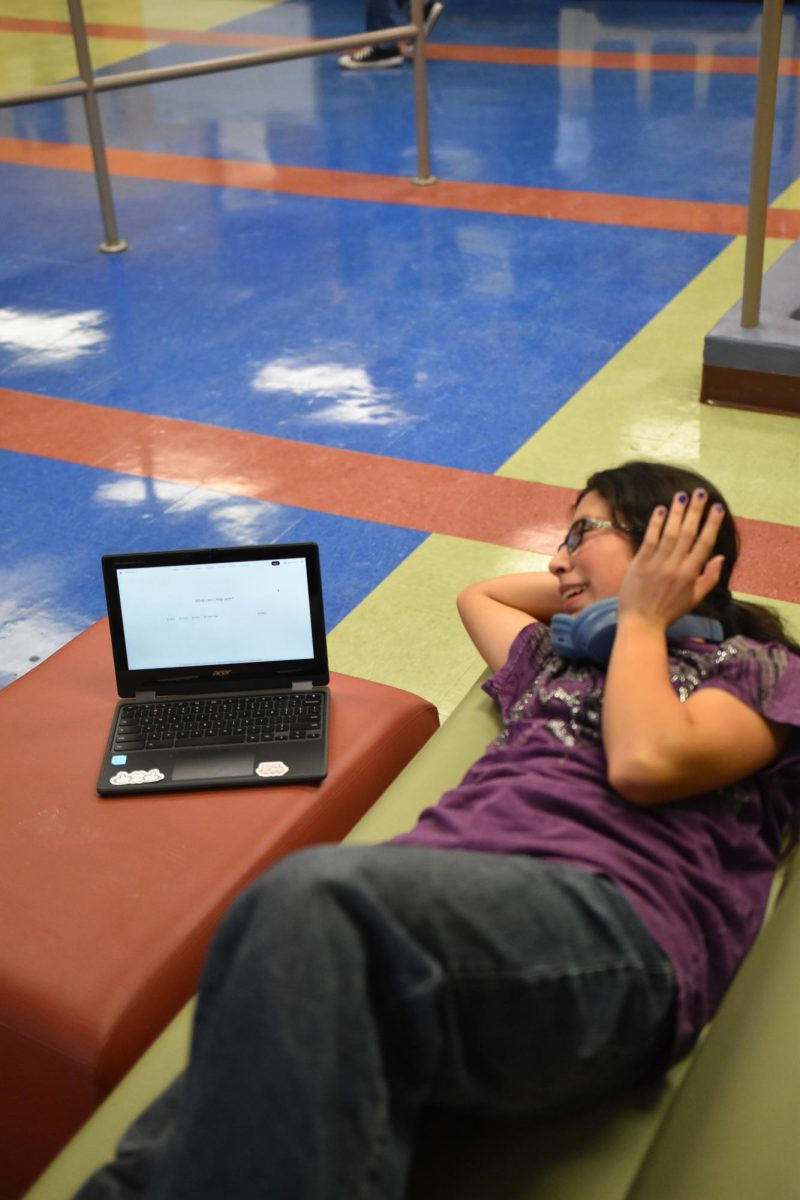
As artificial intelligence becomes more integrated into daily life, more people are turning to AI chatbots for emotional support. On platforms such as TikTok, Reddit and Discord, users openly discuss confiding in chatbots about stress, anxiety, loneliness and personal struggles they say they hesitate to share with others.
The trend has drawn growing concern from psychologists and mental health experts, who warn that AI chatbots are not a substitute for professional care and may pose risks when used as informal “therapists,” particularly by teens.
Unlike licensed counselors, AI chatbots are not trained professionals and do not hold medical or mental health credentials. They operate by predicting responses based on patterns in data rather than understanding human emotions, trauma or risk. Experts emphasize that these systems cannot diagnose conditions, assess a person’s safety or intervene during a mental health crisis.
Reports circulating online describe cases in which users relied heavily on AI chatbots during periods of emotional distress. While many of these accounts are difficult to verify, researchers say their increasing frequency highlights the need for clearer boundaries around how AI systems are marketed and used.
Privacy is another concern. Conversations with AI chatbots are typically stored on remote servers rather than protected under confidentiality laws such as those governing licensed therapists. Mental health experts caution that users may not fully understand how their personal information is collected, stored or used.
For many teens, AI chatbots may feel appealing because they respond instantly and without judgment. However, experts stress that the absence of judgment is not the same as emotional intelligence. AI systems cannot experience concern, urgency or responsibility for another person’s well-being.
Mental health professionals emphasize that technology can play a supportive role, such as providing information or encouraging users to seek help, but it should not replace human connection or professional care.
As AI continues to advance, psychologists and educators are calling for clearer regulations, transparency and education around its limitations. They stress that individuals experiencing emotional distress are best supported by trusted adults, friends, counselors or licensed therapists. After all, these are the people who can recognize risk, respond appropriately and provide real help.