
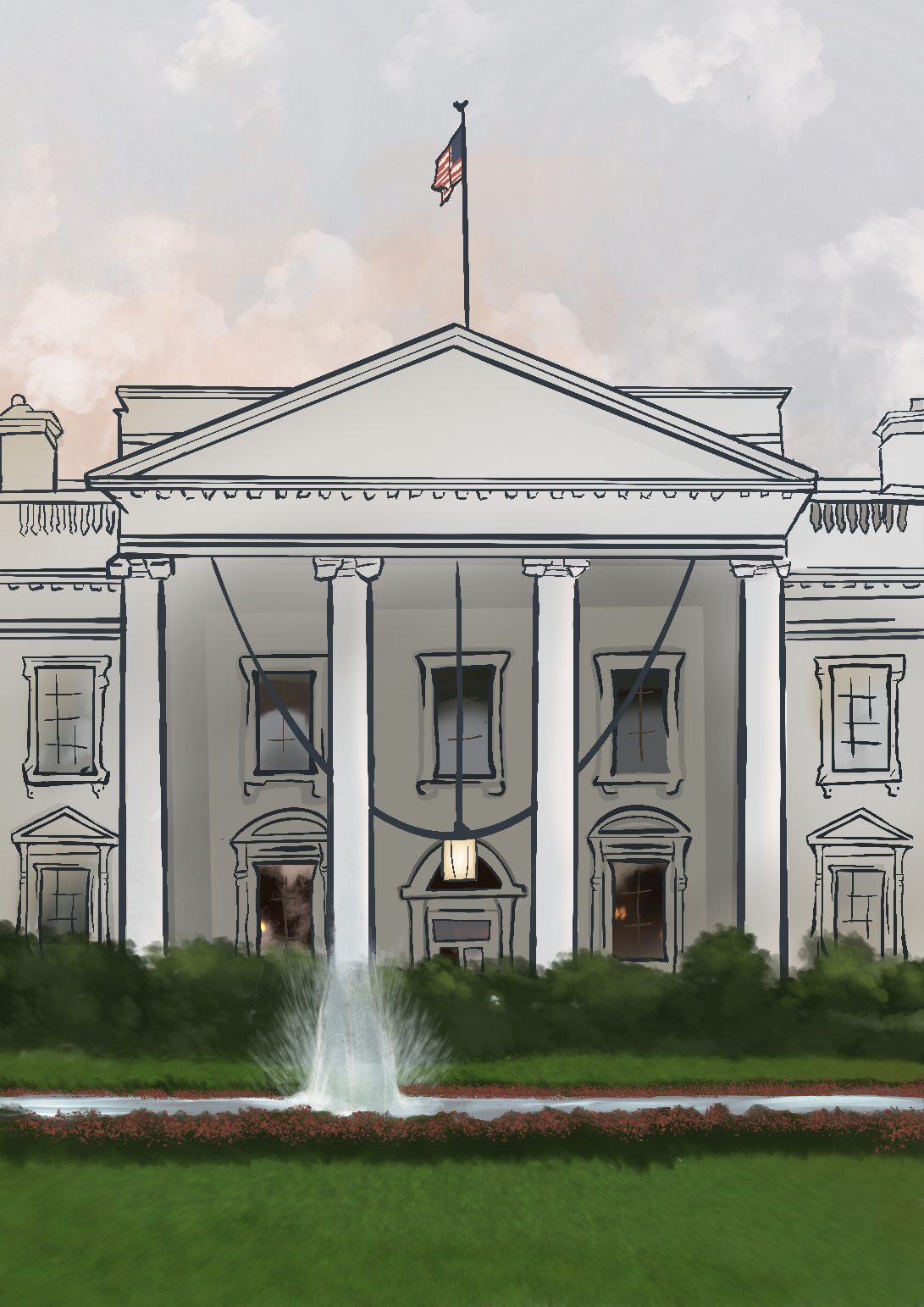
On Oct. 1, 2025, the federal government entered a partial shutdown after lawmakers failed to agree on a bill for funding the government, triggering widespread worry about delayed paychecks for thousands of federal workers. This led to slowdowns in federal agencies, including national parks, passport services and small business programs.
In the U.S. government, both the Senate and the House of Representatives must approve a spending plan before the president signs it into law. However, Congress was unable to approve a spending plan by late Sept. Despite Republicans having control of the House and Senate, the latter fell seven votes short of the sixty needed to pass a funding bill. The House itself passed a short-term funding measure; however, it also failed as it lacked the votes needed to pass. This happened because Democrats were pushing for the inclusion of tax credits to help lower health insurance costs; nevertheless, Republicans objected to the bill because they wanted deeper spending cuts and opposed the several policy additions that Democrats included. This disagreement stalled progress. As a result, on Oct. 1, the U.S government entered its first shutdown since 2013.
Similar to America’s previous shutdown, the October shutdown quickly led to familiar and widespread hardships. People who require food assistance and housing aid are left in doubt as government funding halts. According to Our Public Service, more than 40 million Americans will lose access to food assistance. Food banks across the country, already struggling due to prior funding cuts, are seeing increased demand from federal workers and their families. While the Social Security Administration, a federal agency overseeing insurance programs, are still carrying out critical roles, field offices are unable to provide benefit verification letters, which are critical to receiving forms of aid.
“Misconceptions might be that everything the federal government does is shut down. Actually, a lot of the federal government — at least those that are deemed to be essential workers — are still forced to work even if they’re not getting paid. The expectation is that they would actively get paid once a funding bill gets passed,” said Grant Community High School government teacher Max Boton. “The longer the shutdown goes, the more people from all walks of life in America start to feel the effects of it.”
Senior Caleigh Houdek, student of Boton and part of the debate team, agrees with him: “A lot of federal workers are not getting paid because there’s no budget for them to be paid,” noted Houdek. “So, a lot of people are working without pay, and probably haven’t seen a paycheck in a couple weeks.”
With essential laborers working without the guarantee of pay, and states fearing they wouldn’t be reimbursed for covering programs, uncertainty has spread all the way from the White House to our community.
The government shutdown showed how quickly a budget standoff in Washington can spill into everyday life, from national services to small communities like ours. Even brief funding lapses disrupt families, schools and local workers who depend on stable federal support. As Trump signs the bill to halt this divide between the nation, the shutdown serves as a reminder that political decisions made far from here still shape the stability and routines of those who have no say in them.





Gurmeet Gill • Jan 21, 2026 at 10:40 am
Keep this spirit always