
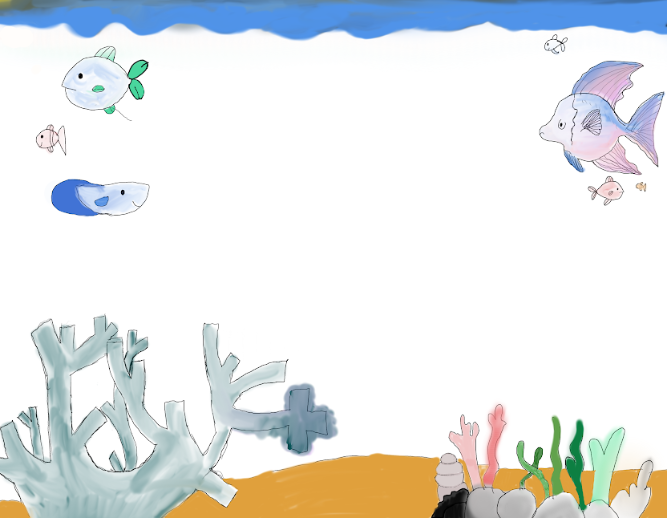
When someone hears the words “aquatic ecosystem,” they think about flourishing reefs, vibrant fish, diversity, and exploration. Although, do they really know what is happening under the surface?
What once was a booming ecosystem has now become a boiling cauldron of pollution, habitat destruction, and a disrupted diversity. Recently, U.S. government websites have removed climate change from their tabs. This causes problems such as a lack of understanding, reduced efforts to help the ecosystems, and threats to equality among species and habitats. This also dismisses climate change by eliminating how the public sees and learns about it.
In the last decade, coral reefs have been dying due to human activities like overfishing, pollution and runoff from sewage. Together these factors fuel climate change and put ecosystems at risk. Without adequate resources and access to information, the public does not know how to stop or help with the problems harming our world. Because of the lack of information, students need another way to stay involved and learn ways to protect ecosystems.
Students can stay connected by joining organisations such as those run school ran and forest preserve ran associations. These provide resources that allow students to stop the factors that contribute to climate change. Students can also use social media to connect with others.
These are ways students can take power against climate change, instead of surfing the internet for information the government no longer provides.